How to get to the Jerónimos Monastery
Visitors planning how to get to the Jerónimos Monastery must travel to the Belém district in western Lisbon. The monument occupies a prominent position at Praça do Império, 1400-206 Lisboa, Portugal. Multiple public transportation networks connect this riverside area with the city center, facilitating access for international and local tourists.
Support when you need it
Customer support to help you with everything you need from 8:00 to 18:00.
Fast and online booking
Select your ticket for your needs and preferences and avoid the lines booking here.
Top attraction in Lisbon
Tour of the monastery to observe Portuguese history and the Manueline architectural evolution of the site.
Where is the Jerónimos Monastery located?
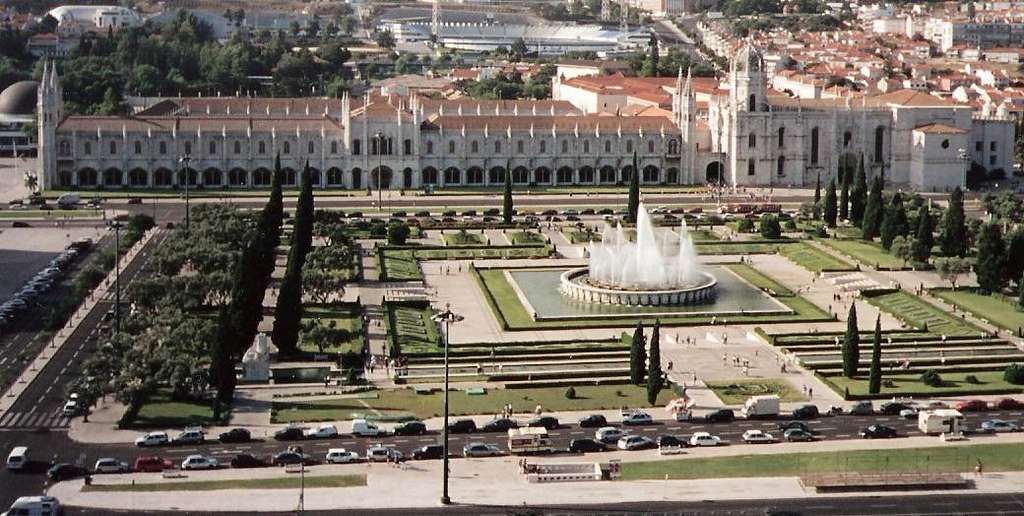
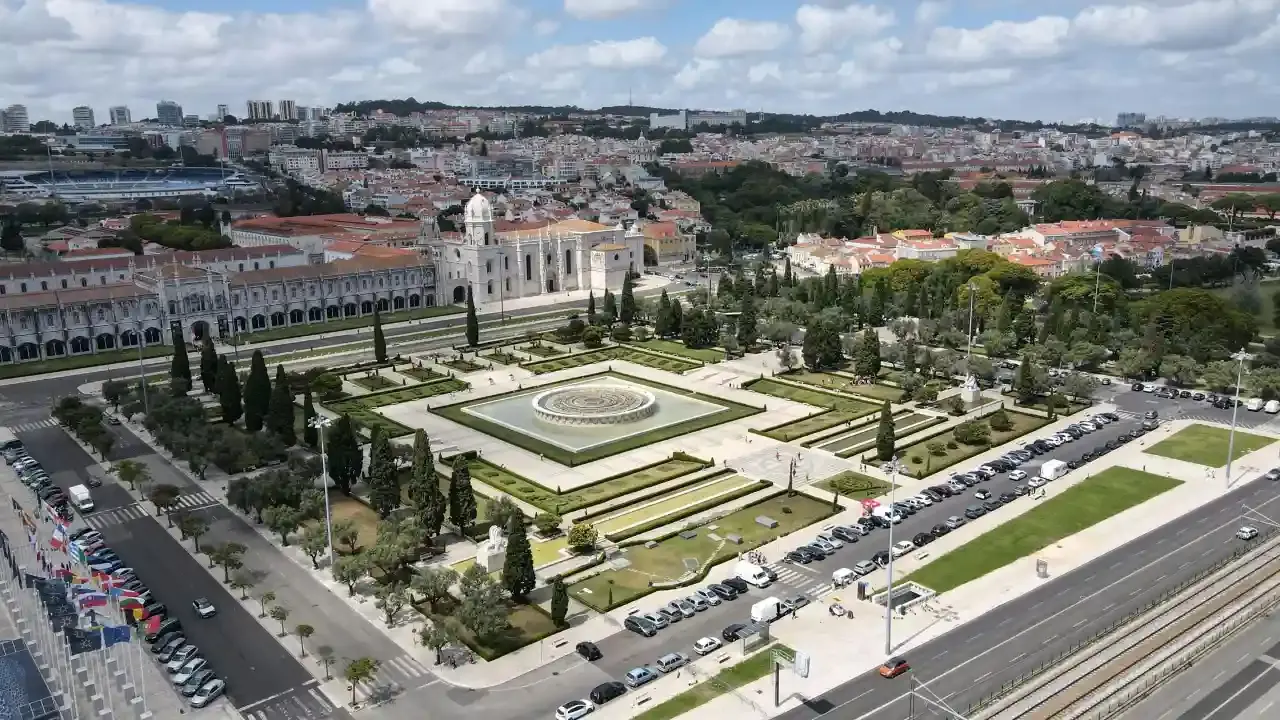
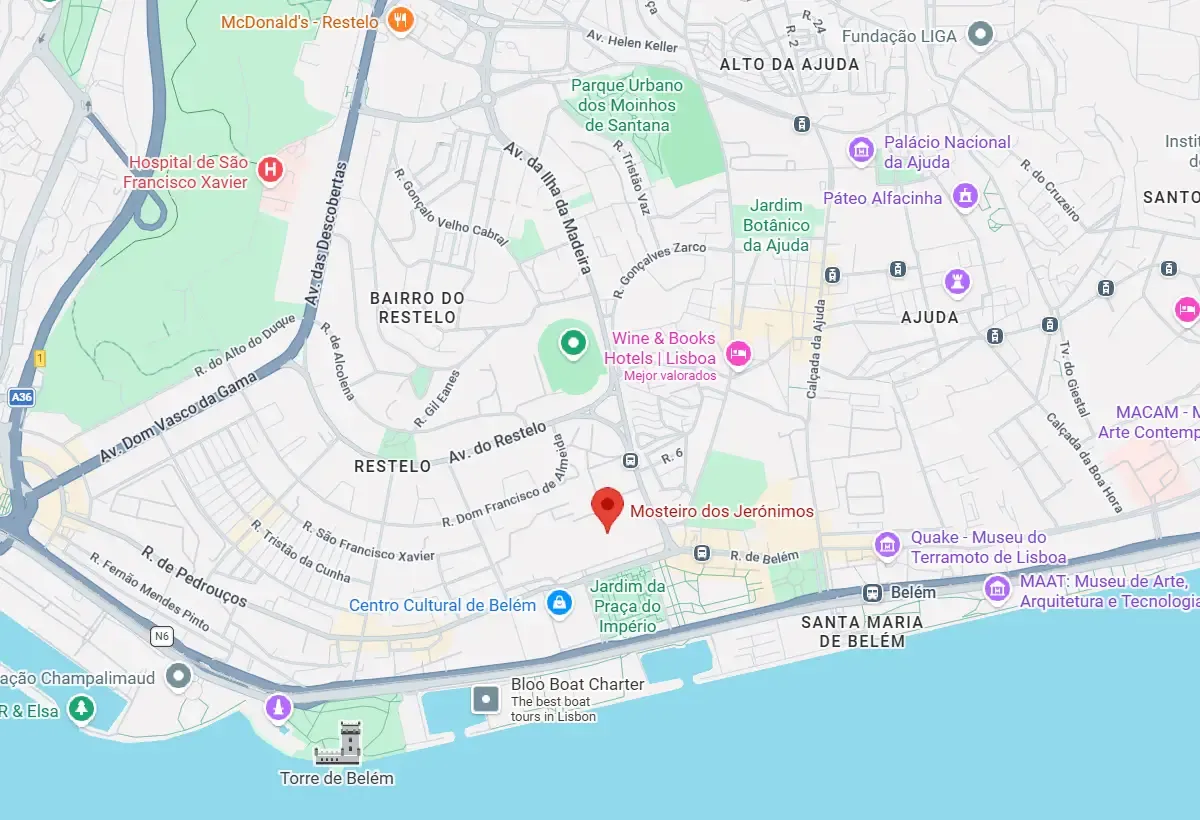
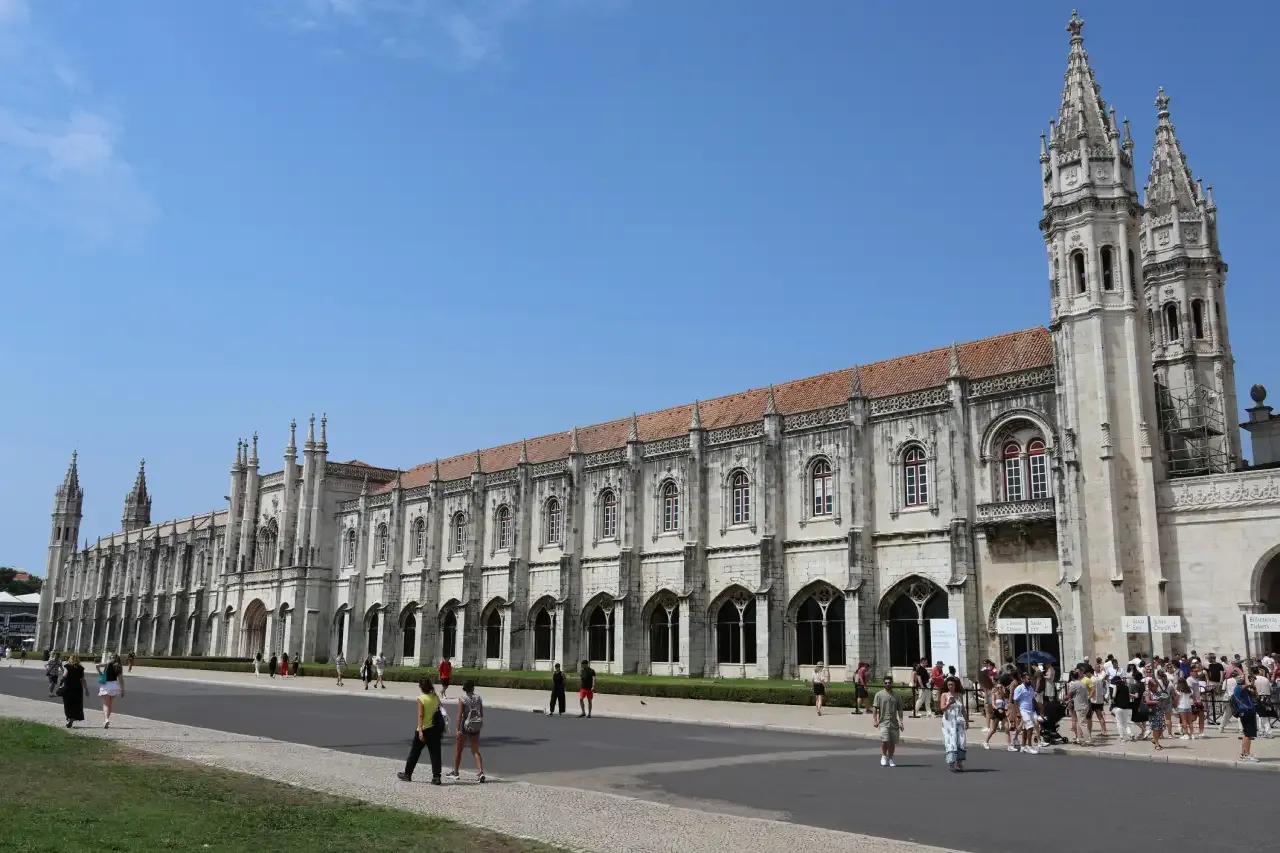
Jerónimos Monastery is located at Praça do Império, 1400-206 Lisbon, Portugal, in the parish of Belém, on the northern bank of the Tagus River. The monastery sits within a dense concentration of historical landmarks, including the Tower of Belém, the Monument to the Discoveries, and the Museum of Art, Architecture and Technology.
The surrounding Belém district also features several gardens and open plazas, including the Jardim da Praça do Império, which extends directly in front of the monastery's south façade. This layout allows visitors to combine a visit to the monastery with other cultural and historical sites in the area.
How to get to Jerónimos Monastery?
How to get to the Jerónimos Monastery is straightforward because the monument sits in the central Belém district of Lisbon. The site connects to transportation options that suit travelers' preferences for speed or comfort:
On foot
Visitors often arrive on foot from the nearby Belém Tower or the Monument to the Discoveries, utilizing underground pedestrian passages to cross the coastal railway tracks safely.
The walk from the Belém train station takes approximately ten minutes along the Rua de Belém, following the visible limestone spires that mark the monastery's position at Praça do Império. This method allows travelers to observe the surrounding historical landmarks and the Tagus River waterfront at their own pace. Pedestrian routes remain flat and accessible, facilitating easy movement between the various UNESCO World Heritage sites located within the parish.